

The First Years of Spanish America: What Really Began in Santo Domingo (1492–1530)
Why Santo Domingo matters in the history of the Americas
Santo Domingo was the first place where the Spanish Monarchy established a structured society in the Americas, introducing urban planning, Roman-based law, and institutions such as hospitals and religious centers.
In the early 1500s, under Nicolás de Ovando, the city became a model for expansion based on permanent settlements rather than temporary trading posts.
Legal frameworks such as the Laws of Burgos attempted to regulate life in the new territories, recognizing indigenous people as subjects of the Crown.
Criticism of abuses, such as the sermon of Antonio de Montesinos in 1511, was received by the Crown and contributed to legal reforms — showing a system capable of correction.
This model, first developed in Santo Domingo, was later expanded across much of the Americas.
The following timeline summarizes how Santo Domingo evolved from an early settlement into the model for Spanish America.
Timeline: the first decades of Santo Domingo (1492–1530)
1492 — Christopher Columbus reaches the Caribbean, opening the first contact between Europe and the Americas.
1496 — The first permanent settlement of Santo Domingo is established, marking the beginning of continuous European presence.
1502 — Nicolás de Ovando arrives as governor and reorganizes the territory, laying the foundations of urban life and institutional structure.
1503–1508 — The first major institutions are created, including administrative bodies, religious structures, and early hospitals.
1511 — Antonio de Montesinos delivers his sermon in Santo Domingo, denouncing abuses and triggering legal and moral debate.
1512 — The Laws of Burgos are enacted, introducing one of the first legal frameworks regulating life in the Americas.
1520s — Santo Domingo consolidates its role as the administrative and cultural center of Spanish expansion in the New World.
1530s — The model developed in Santo Domingo is replicated across continental America, from Mexico to Peru.

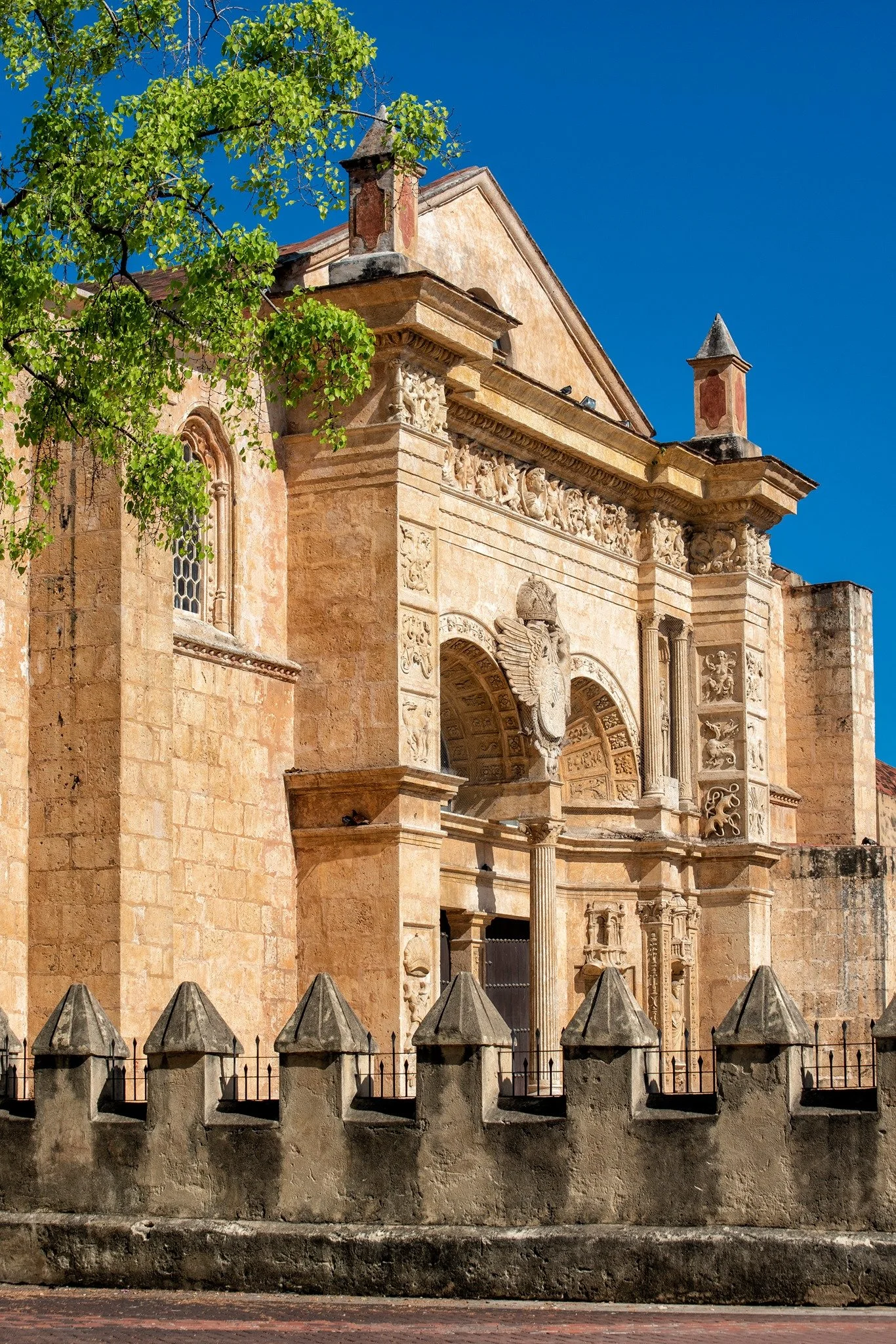
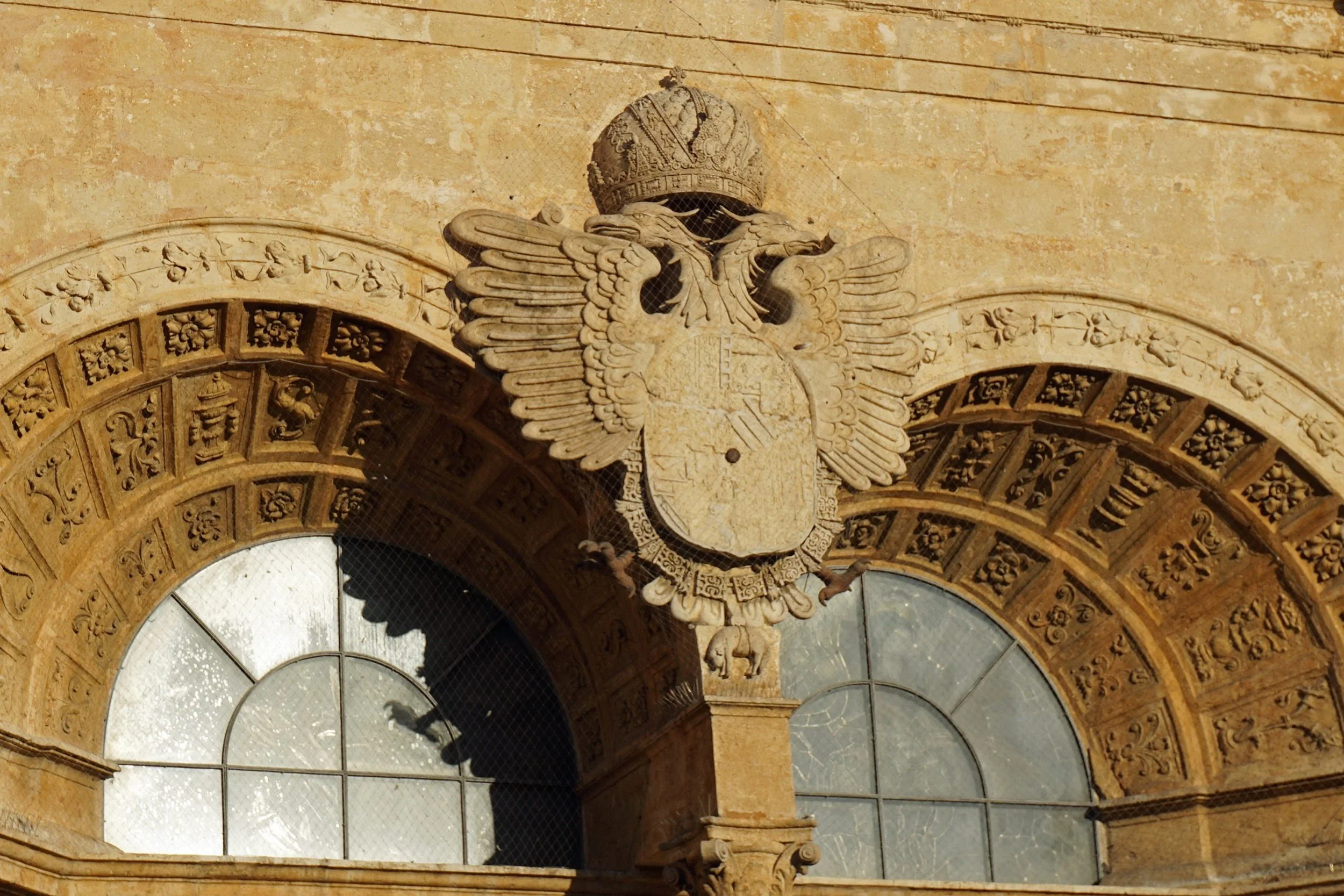
Most historical summaries of Zona Colonial repeat the same ideas: the first cathedral, the first street, the first city.
But the real importance of Santo Domingo is not a list of “firsts”.
It is that, in the first decades after 1492, a complete political, legal, and cultural model was created here — one that would later define what we now call Spanish America.
From exploration to organization
After the initial voyages of Christopher Columbus, the early years in the Caribbean were unstable.
The first settlements were fragile, improvised, and often driven by short-term extraction rather than long-term structure.
This changed with the arrival of Nicolás de Ovando in 1502.
Nicolás de Ovando and the creation of a model
Ovando was not simply a governor — he was a political organizer with direct trust from the Crown.
Under his administration, Santo Domingo became the place where a new type of expansion was defined.
Instead of isolated trading posts, the model shifted toward:
the foundation of cities
the establishment of institutions
territorial organization
integration of local populations
This was not a minor change. It marked the transition from exploration to structured governance.
The foundation of a city-based civilization
One of the defining features of the Spanish model was the creation of cities as centers of life.
Santo Domingo became:
an administrative capital
a religious center
a social and economic hub
From here, the same model would later expand to places like Mexico, Peru, and beyond.
Unlike other European powers that focused primarily on coastal trade, the Spanish Crown promoted inland expansion and urban development.
Law, not only conquest
One of the most distinctive aspects of this early period was the attempt to regulate the new territories through law.
This process begins with the will of Isabella I of Castile, who established that the indigenous peoples were subjects of the Crown, not property.
It continued with the Laws of Burgos, one of the first attempts in world history to legislate the treatment of newly encountered populations.
These laws addressed:
working conditions
religious instruction
social organization
limits to exploitation
While imperfect and not always enforced, they reveal a crucial point: the expansion was conceived within a legal and moral framework.
The intellectual foundation
Behind these legal developments was a broader intellectual movement, particularly the School of Salamanca.
Thinkers such as Francisco de Vitoria developed arguments about:
the rights of indigenous peoples
the legitimacy of political authority
the limits of power
Their work represents one of the earliest attempts to apply universal reasoning to global expansion.
Montesinos and the capacity for correction
The system was not without conflict.
In 1511, the Dominican friar Antonio de Montesinos delivered a sermon in Santo Domingo denouncing the mistreatment of indigenous populations.
What is historically significant is not only the denunciation, but the response.
The Crown received these criticisms, and rather than ignoring them, incorporated them into legal reform processes such as the Laws of Burgos.
This capacity to receive criticism and adjust the legal framework was a defining feature of the system.
Santo Domingo as a place where institutions were built
What makes Zona Colonial unique is that these processes did not happen abstractly — they happened here.
This was the first place in the Americas where:
hospitals were established
urban life was organized
institutions were built to last
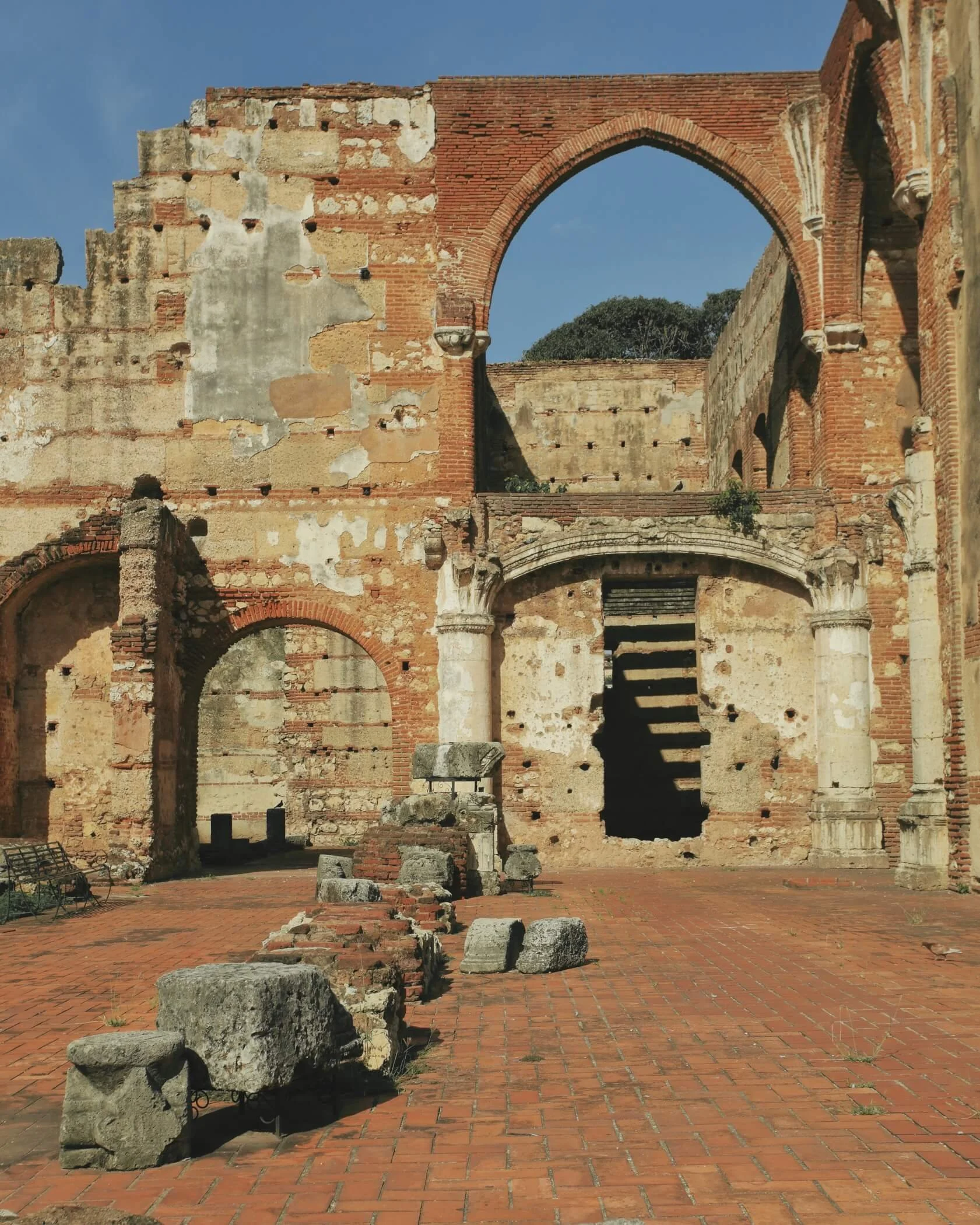
Among these, the Hospital San Nicolás de Bari stands out as one of the earliest hospitals in the Americas.
A living connection to this history
This historical layer is not only visible in monuments — it is still physically present in parts of the city.
For example, Fixie Lofts is directly connected to this past.
The villa shares structural elements with the historic Hospital San Nicolás de Bari:
thick masonry walls over one meter wide
traditional stone construction (mampostería)
historic arches that once formed part of the original complex
The property sits alongside the remaining ruins, which are still visitable today, creating a rare continuity between past and present.
A different model of expansion
When compared to later colonial models developed by other European powers, the early Spanish approach in the Caribbean shows clear differences:
emphasis on cities rather than trading posts
development of institutions such as hospitals
integration into a legal framework
long-term territorial organization
This does not imply a perfect system, but it does highlight a distinct structure and intention.
A turning point
The central role of Santo Domingo did not remain unchanged.
In 1586, the city was attacked and sacked by Francis Drake, marking a moment of disruption.
Over time, the island lost prominence as the focus of expansion shifted to continental territories.
Final thoughts
The importance of Santo Domingo is not only that it was “first”.
It is that it was foundational.
In a few decades, a model of governance, law, and urban life was developed that would shape an entire continent.
Understanding this early period allows a deeper reading of Zona Colonial — not only as a historic destination, but as the place where a much larger historical process began.